

Writing (including handwriting)
Writing
Intent
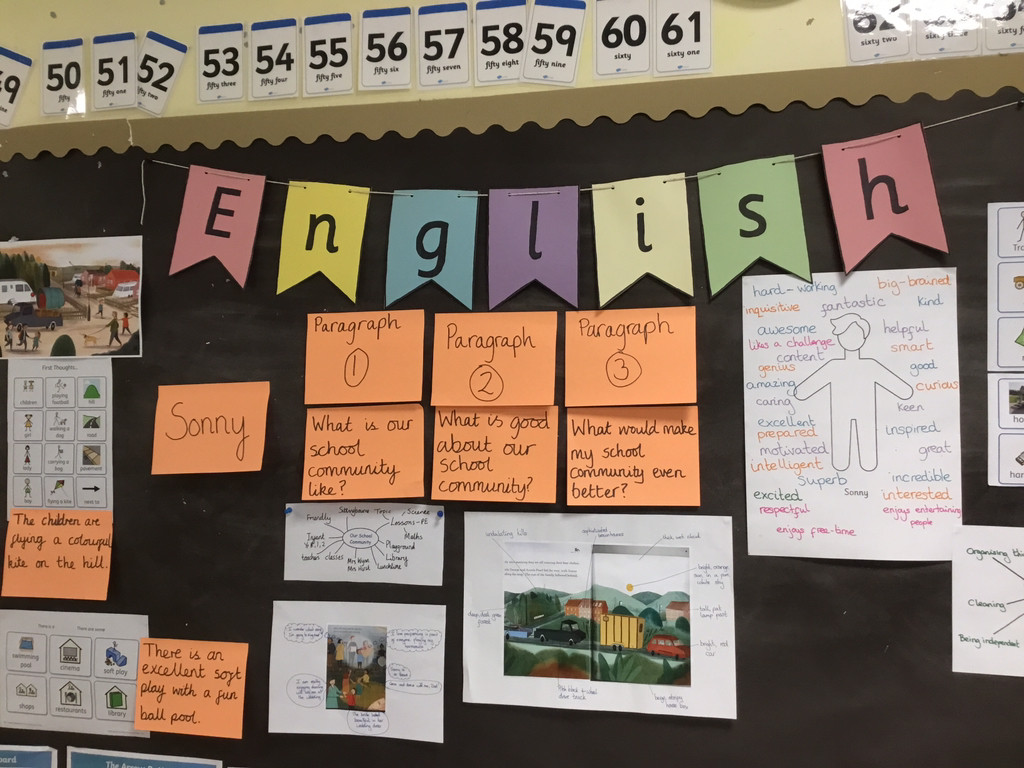
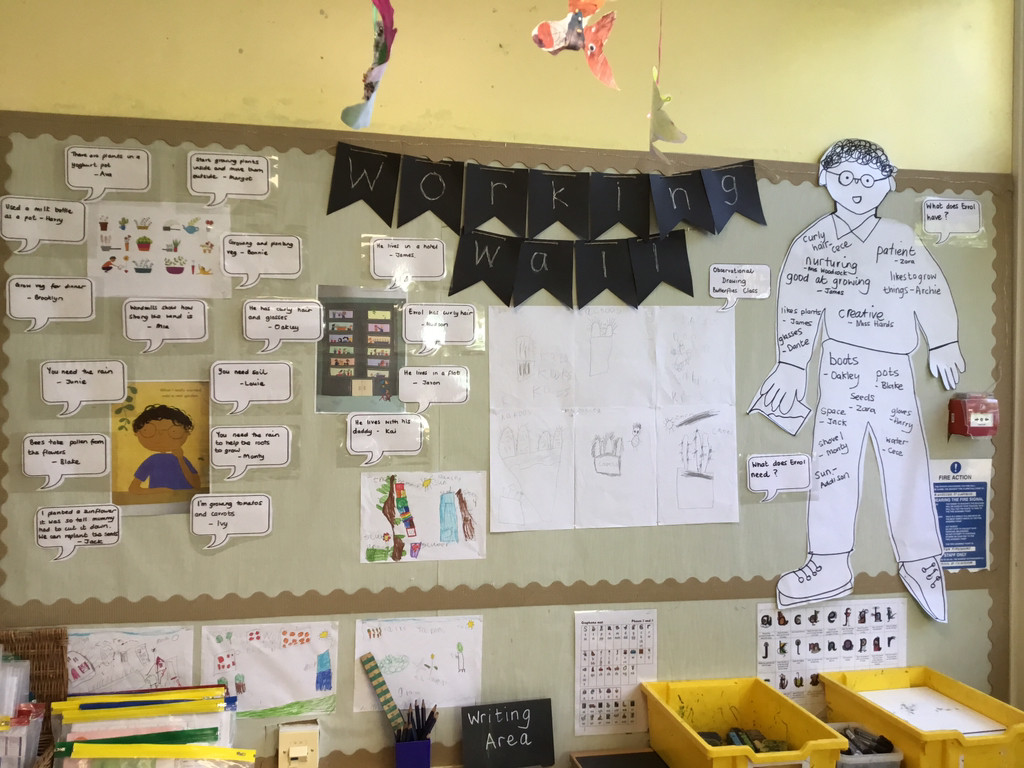
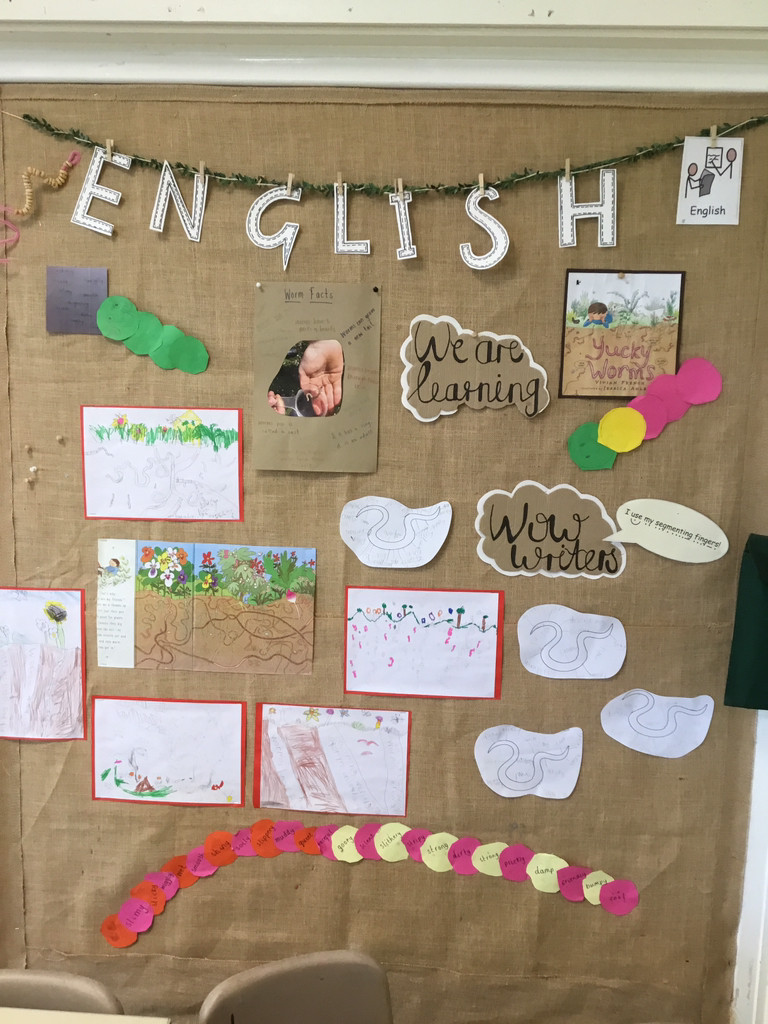
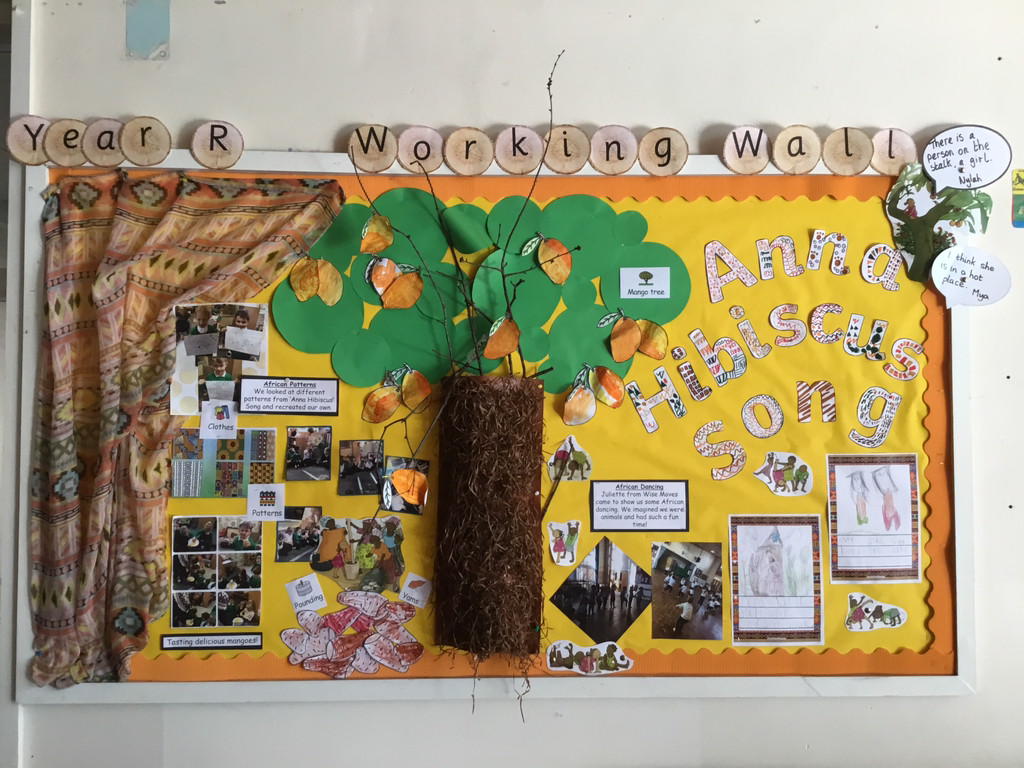
Within our English lessons in each year group the children are exposed to a wide variety of different text types and genres, using one key high quality text each term. We strive to follow the Authentic Writing Process Model using Power of Reading teaching sequence resources published from the CLPE (Centre for Literacy in Primary Education). 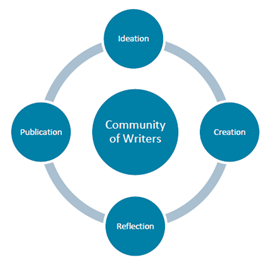
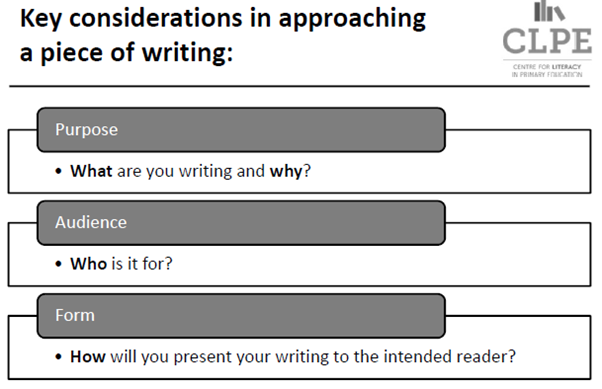
Each Teaching Sequence journey will provide a wide range of language opportunities: real and personal experiences, encouraging curiosity, sustained shared thinking, personal narratives, high quality books, fictional narratives.
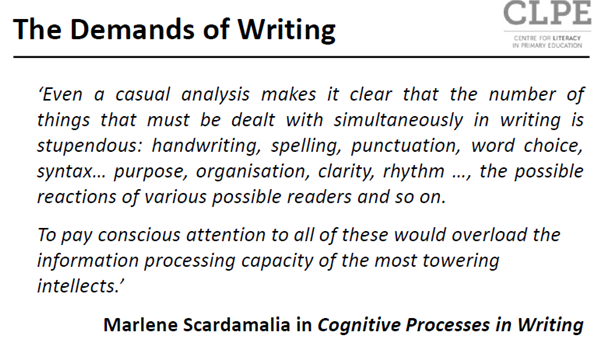
We recognise that writing is a multi-layered process and we help to look at each individual skill, whilst modelling the writing as a whole. We work hard to ensure the writing process doesn’t overwhelm the writer and adapt lessons and teaching so that every child can feel that they are a writer and take ownership of their work.
Handwriting is taught through a carefully sequenced approach that builds pupils’ fluency, control and confidence from Year R to Year 2. Our aim is for children to develop secure letter formation, an appropriate pencil grip and increasing stamina, while also learning to present their work neatly and legibly across the curriculum. We follow the Little Wandle letter formation guide, which is in line with our phonics programme, and our long-term handwriting progression document.
Implementation - Writing
The Oaks English Curriculum Map: Nursery to Year 2
The Oaks English Curriculum Map.pdf
Handwriting Implementation
In Year R, handwriting begins with the development of the physical foundations needed for writing. Children take part in activities that strengthen fine motor skills, improve hand-eye coordination and support correct pencil control. They are introduced to the initial stages of letter formation through a multi-sensory approach, using patterned movements, large-scale mark-making and simple pre-writing shapes. At this stage, emphasis is placed on posture, grip and the direction of marks. Later in the year, children work in small focus groups to practise forming lower-case letters in their handwriting books, with an adult to model and guide them. The children learn to recognise letter families: curly letters, long letters, bouncy letters and zigzag letters. Children work towards the stage that has been assessed as appropriate for them by their class teacher.
In Year 1, as children progress through our handwriting sequence, they become increasingly confident with lower-case and capital letter formation. Children are taught to form letters correctly, with attention to starting points, ascenders and descenders, and the relative size of letters. They begin to use these skills in their independent writing, with increasing expectations that handwriting will be clear and controlled.
By Year 2, pupils continue to refine their handwriting by developing fluency, consistency and endurance. They are taught to join letters where appropriate, secure spacing between words and maintain legibility in longer pieces of writing. Handwriting is increasingly applied across all subjects, supporting children to write with confidence and accuracy.
Impact:
Handwriting is reinforced through daily opportunities to practise and apply these skills in meaningful contexts, including phonics, guided writing and independent tasks. Progress and effort are celebrated each day in class by nominating a ‘Handwriting Hero’ of the day. In addition, pupils receive weekly explicit teaching sessions with an adult, ensuring that handwriting is directly modelled, carefully taught and regularly assessed. This consistent approach supports high expectations and enables all children to make strong progress in handwriting.
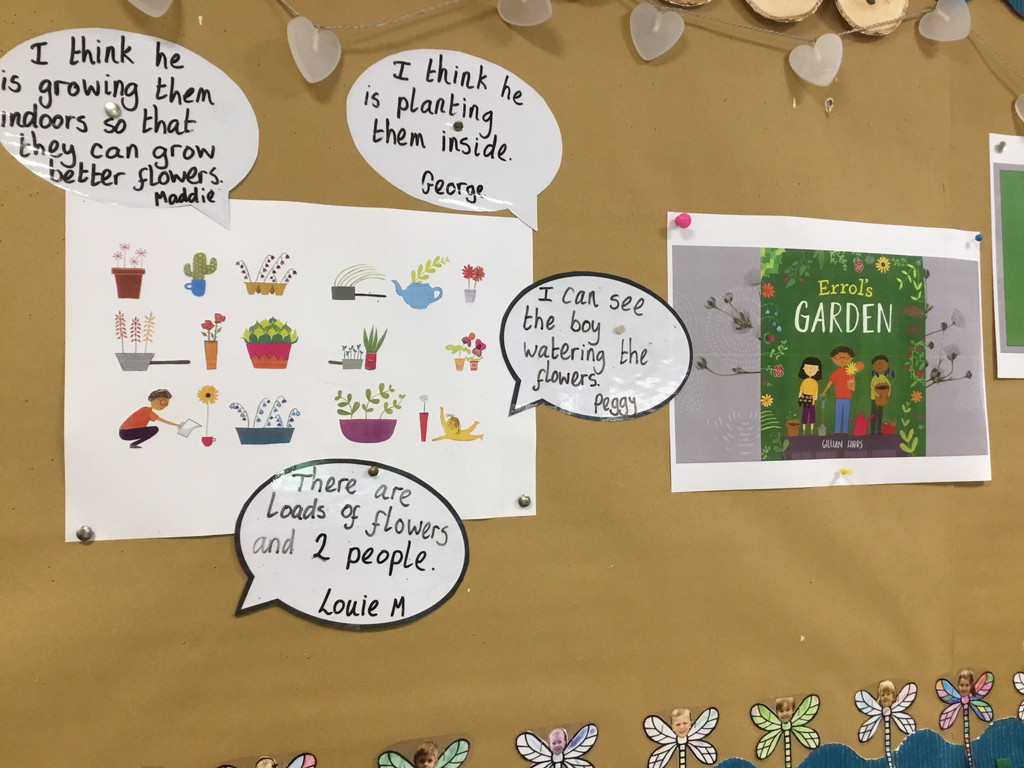
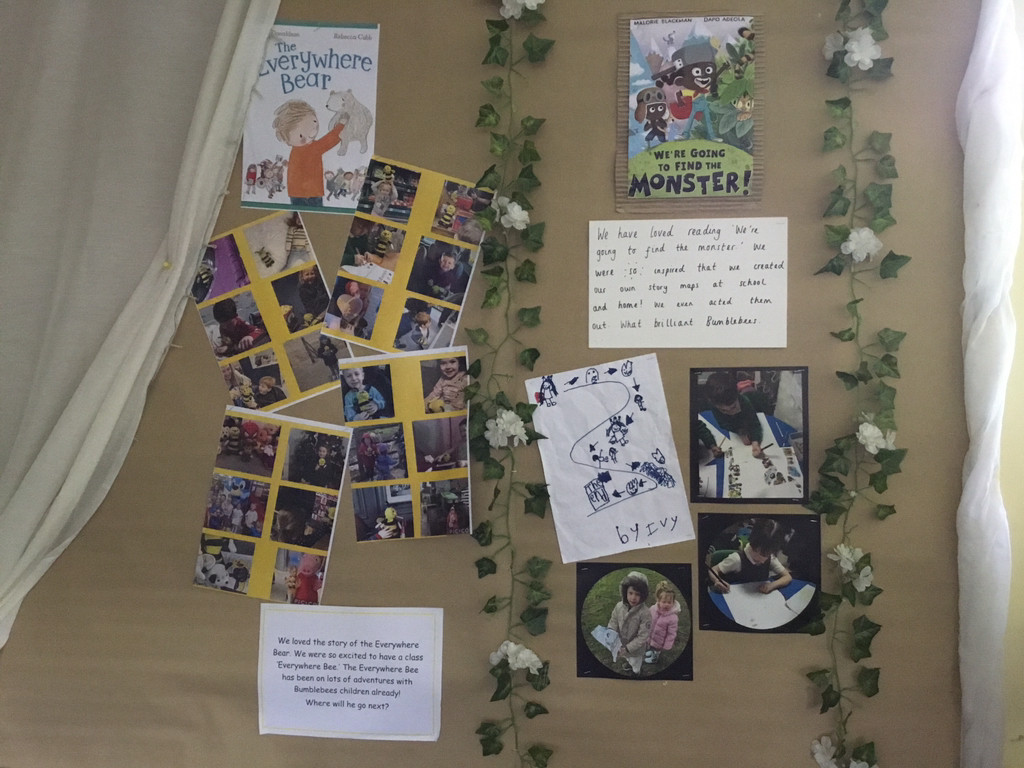
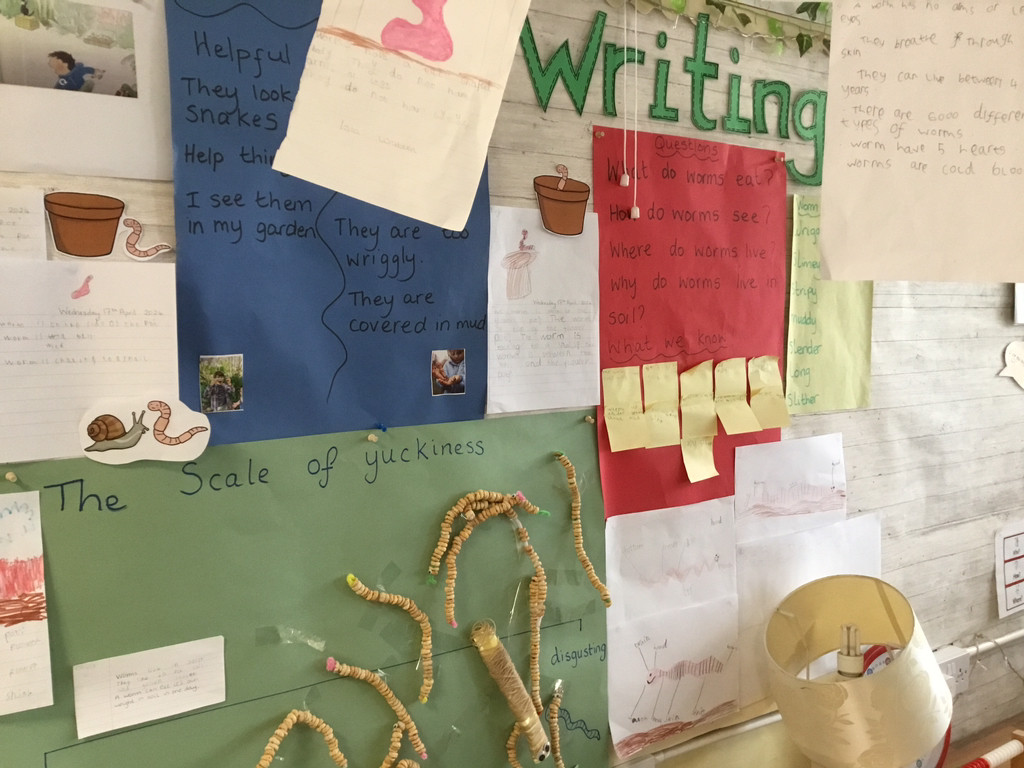
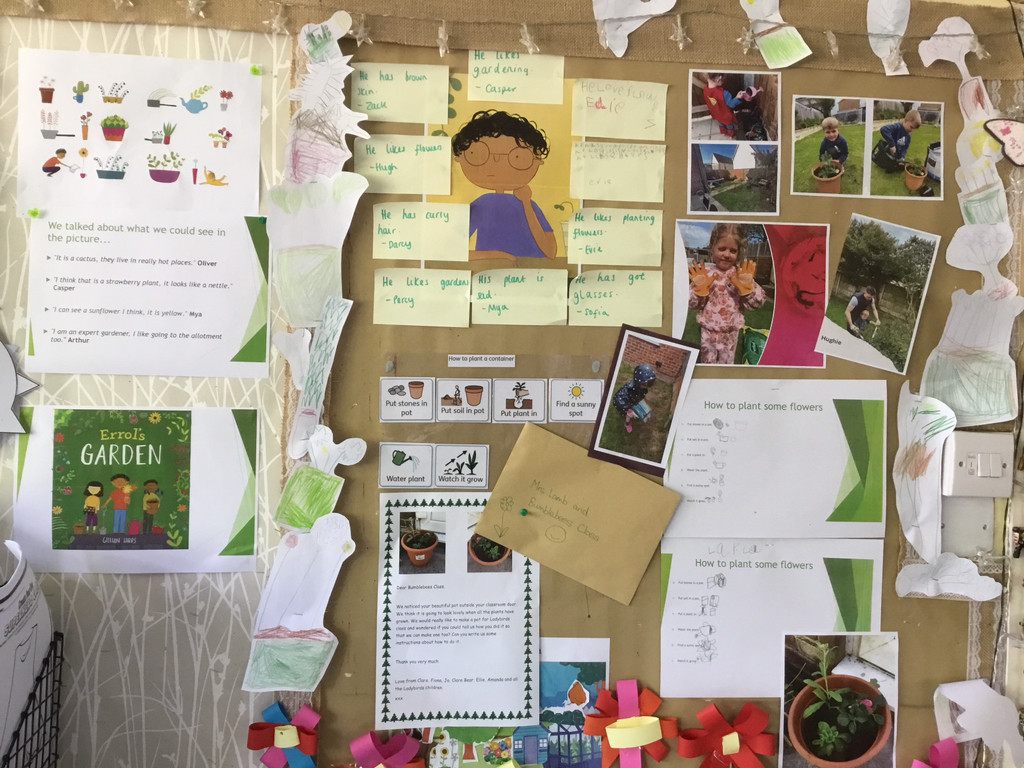
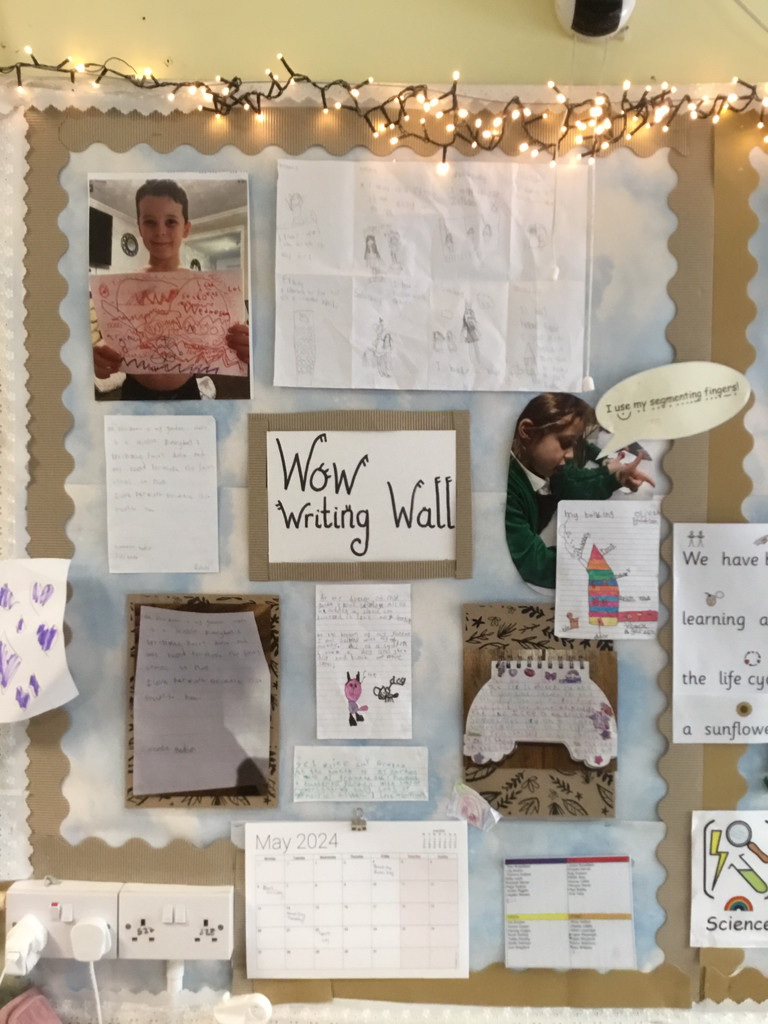
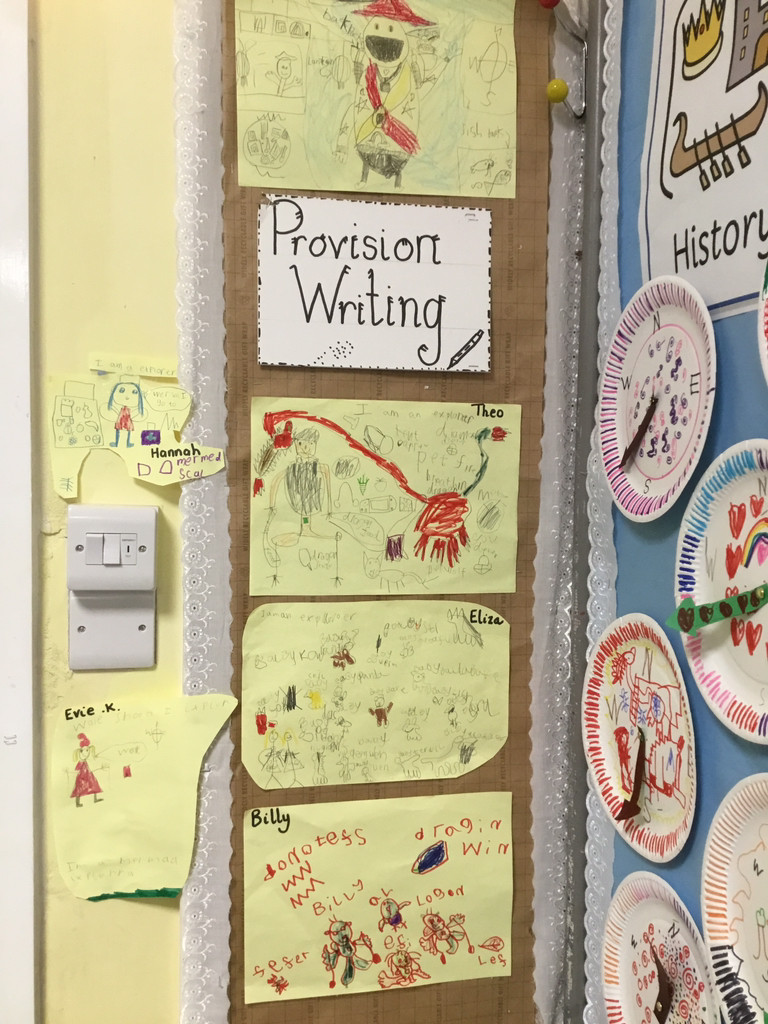
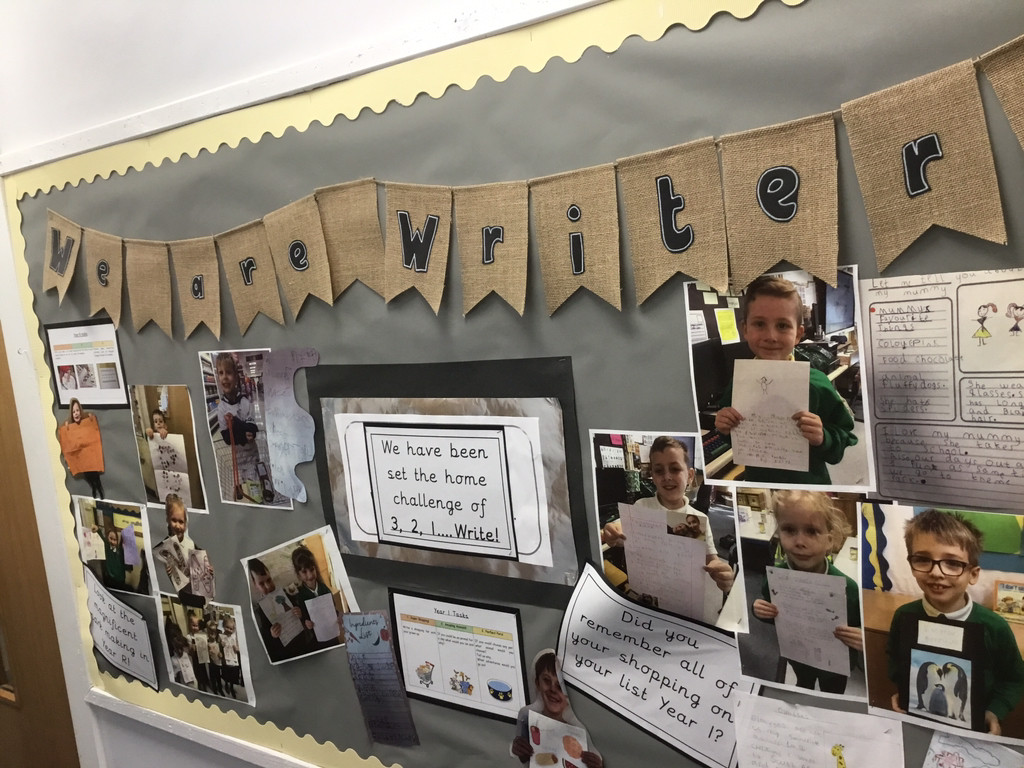
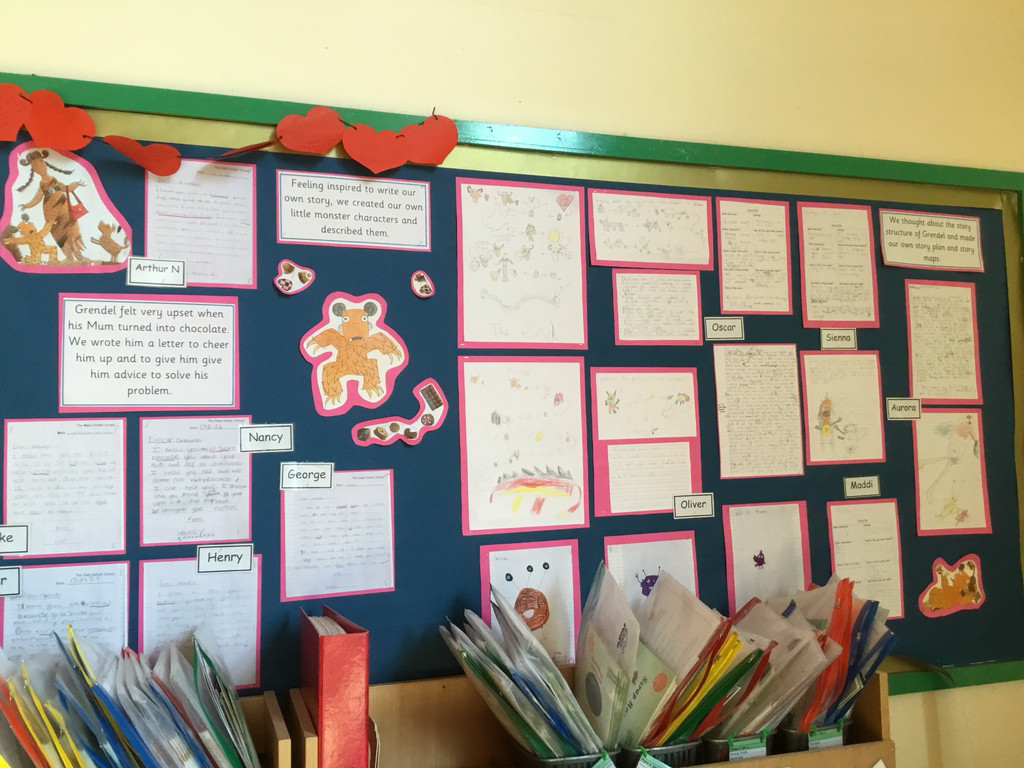
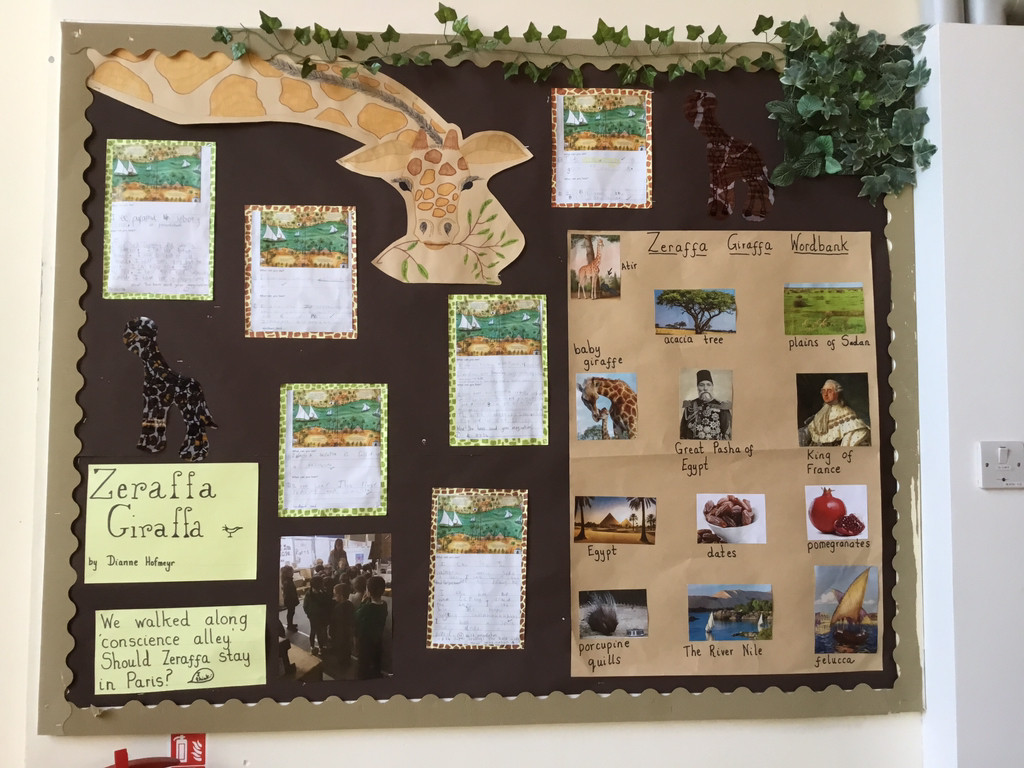
Take a look at some examples below of writing across the curriculum:
Power of Reading